Understanding Internal and External Issues in Relation to ISO Certification
Achieving ISO certification is a significant milestone for any business, demonstrating a commitment to quality management and continuous improvement. One of the key aspects of ISO implementation is understanding internal and external issues that can impact an organisation’s Management System. Identifying these factors helps businesses enhance performance, manage risks, and maintain compliance.
Understanding Internal Issues
Internal issues refer to factors within an organization that can influence its ability to achieve quality objectives. These may include:
- Organisational Structure: The way a company is structured, including leadership roles and responsibilities, impacts the effectiveness of a management system.
- Company Culture: A culture that values quality and continuous improvement fosters a stronger commitment to ISO principles.
- Resources: Adequate human, financial, and technological resources are essential for implementing and maintaining a QMS.
- Processes and Procedures: Well-documented and efficient processes ensure consistent product and service quality.
- Competence and Training: Employee skills and ongoing training are crucial for maintaining high standards and compliance with ISO 9001 requirements.

Understanding External Issues
External issues are factors outside the organisation that may impact its QMS. These include:
- Regulatory and Legal Requirements: Compliance with industry-specific regulations and laws is essential for maintaining certification.
- Market Trends: Changes in customer expectations, industry advancements, and competitive pressures can affect business operations.
- Economic Conditions: Economic stability, inflation rates, and market demand can impact a company’s quality strategies.
- Suppliers and Partners: The reliability and quality of external suppliers play a vital role in meeting ISO standards.
- Technological Advancements: Emerging technologies can enhance or disrupt current processes, necessitating adaptation to maintain compliance.
- Stakeholder Expectations: Customers, investors, and other stakeholders influence the organisation’s quality policies and objectives.
How to Assess Internal and External Issues
To effectively address these issues, businesses should:
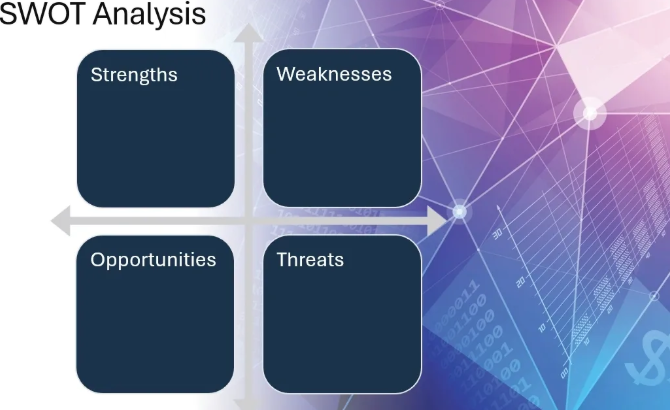
- Conduct a SWOT Analysis: Identifying strengths, weaknesses, opportunities, and threats helps in understanding internal and external factors.
- Engage Stakeholders: Regular feedback from employees, customers, and suppliers can provide valuable insights.
- Monitor Industry Trends: Staying updated with market changes ensures proactive decision-making.
- Implement Risk Management Practices: Identifying potential risks and opportunities allows for continuous improvement.
- Review and Update Regularly: Regular assessments help businesses adapt to changing circumstances and maintain ISO compliance.
Top Management Workshop by Compliant Creations Ltd
At Compliant Creations Ltd, we offer a dynamic and interactive Top Management workshop to assist organisations in identifying and understanding related internal and external issues as well as understanding the clauses. By expanding your knowledge of the standard and the expected criteria, you will broaden your chances of successfully implementing and achieving ISO Standards for your business.
Conclusion
A thorough understanding of internal and external issues is fundamental to the successful implementation of an ISO compliance Management System. By continuously evaluating and addressing these factors, businesses can enhance efficiency, mitigate risks, and achieve sustained growth and customer satisfaction.